Ventilation control for garage
Posted on: 28/10/2024
The Dwyer® GSTA CO/NO₂ sensor solution optimizes ventilation in enclosed parking garages, saving energy while ensuring safe air quality.
Effective Parking Garage Ventilation: Integrated Toxic Gas Detection with Dwyer® Series GSTA
As urbanization accelerates worldwide, the demand for smart and efficient parking solutions has become essential in high-rise and commercial development projects. With land increasingly limited, two design trends are emerging: enclosed parking garages and mixed-use parking facilities, where parking areas are integrated directly within residential, office, or commercial buildings.
However, along with this convenience comes a critical challenge:
-
How to effectively remove toxic vehicle emissions such as CO and NO₂ in an enclosed environment?
-
How to optimize energy consumption, especially in buildings with complex HVAC systems?
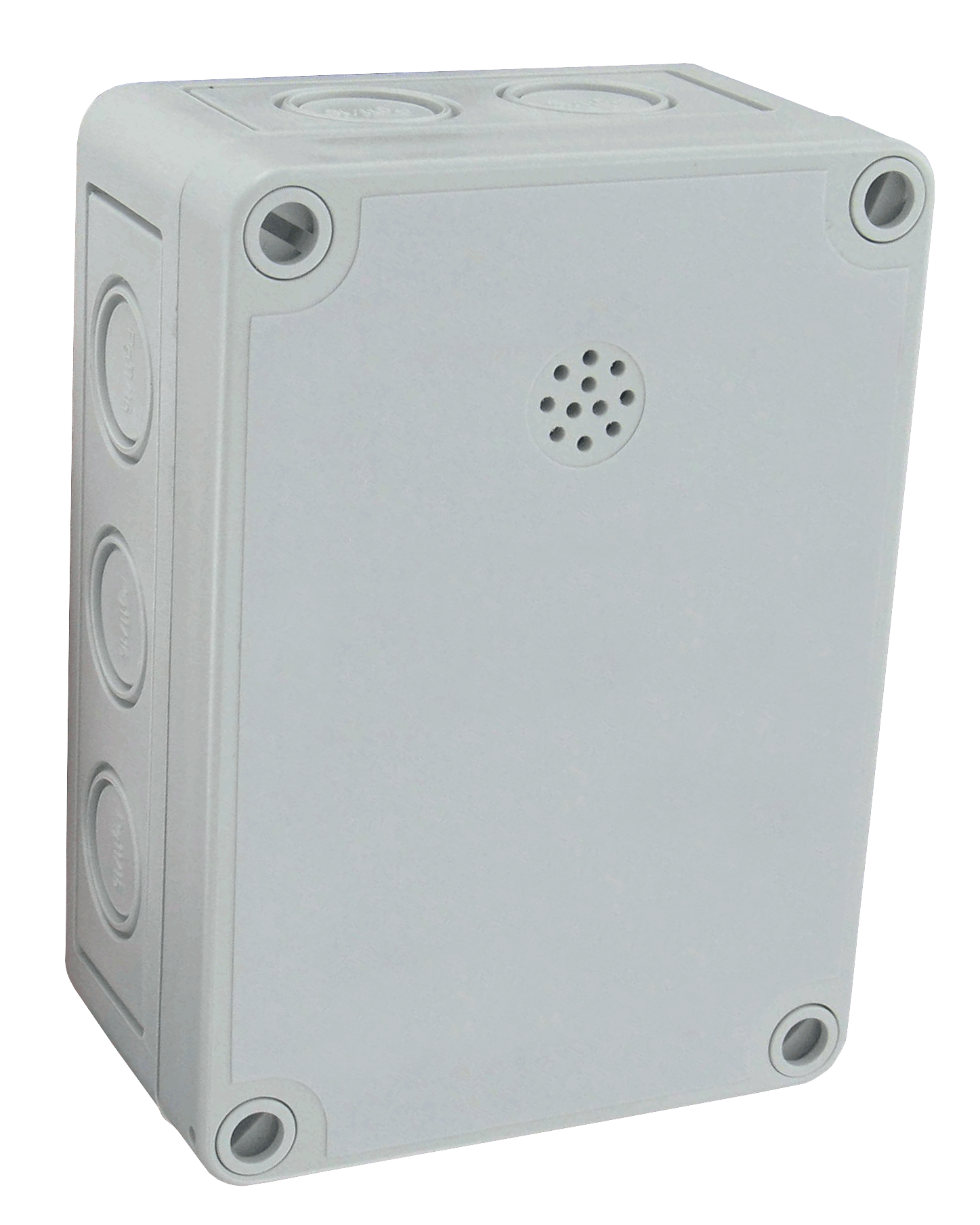
This is where the Dwyer® Series GSTA toxic gas sensors play a crucial role—offering a smart, reliable, and cost-effective solution for monitoring and controlling ventilation systems in parking facilities.
Ventilation Optimization: Moving Beyond Traditional Systems
Traditional garage ventilation designs often rely on fans running continuously. While this approach helps to exhaust toxic gases, it leads to significant energy waste and may inadvertently extract conditioned air (heated or cooled), increasing HVAC load and operational costs.

To address these issues, many modern systems now incorporate CO/NO₂ gas sensors. When gas concentrations rise above a preset threshold, the sensors signal the controller to activate the fans—bringing in fresh air and exhausting harmful gases. However, these systems often face limitations:
-
High cost due to poor integration with centralized Building Automation Systems (BAS)
-
Limited signal output flexibility, complicating design and installation
Dwyer® Series GSTA – Smart, Flexible Sensor Integration

The Dwyer® Series GSTA offers high-accuracy CO and NO₂ gas detection with features tailored for modern BAS-integrated systems. Key highlights include:
-
Selectable output signals: 4-20 mA, 0-10 VDC, or 0-5 VDC – easily configured on-site
-
Durable design for industrial environments, ensuring long-term stable performance
-
Field-replaceable sensor elements, minimizing downtime and maintenance costs
By integrating these sensors with fan and damper control systems, the ventilation system automatically responds to vehicle presence and emission levels, operating only when needed – maximizing energy efficiency.
Real-World Application: GSTA at City of Madison, Wisconsin
In a municipal vehicle storage facility in Madison, Wisconsin – home to dump trucks, loaders, and pickup trucks – Dwyer® GSTA sensors were implemented to monitor indoor air quality. The system included:
-
6 GSTA-C CO sensors
-
6 GSTA-N NO₂ sensors
-
Integration with a centralized controller for fan and damper operation
The result: air quality remains consistently safe for personnel and equipment inside the garage, even with frequent engine operation.
Conclusion: Optimize Garage Ventilation with Dwyer® Series GSTA
The Dwyer® Series GSTA is a leading solution for toxic gas monitoring in enclosed garages and multi-use parking structures. With high accuracy, flexible integration, and low total cost of ownership, these sensors:
-
Ensure safe and healthy air quality
-
Optimize energy performance
-
Reduce long-term operating and maintenance costs
This makes them the ideal choice for MEP contractors, HVAC designers, and building owners pursuing smart, energy-efficient buildings in the modern era.
DLK Trading Service Company Limited
Address: G6/14 Tran Van Giau, Le Minh Xuan Ward, Binh Chanh District, Ho Chi Minh City
Office: 111/7 Vuon Lai, Phu Tho Hoa Ward, Tan Phu District, Ho Chi Minh City
Website: https://dlk.com.vn
Email: info@dlk.com.vn
Hotline: 070 357 0101 – 093 279 2697